Grounding System Installation for Industrial Plants
Professional electrical engineering services
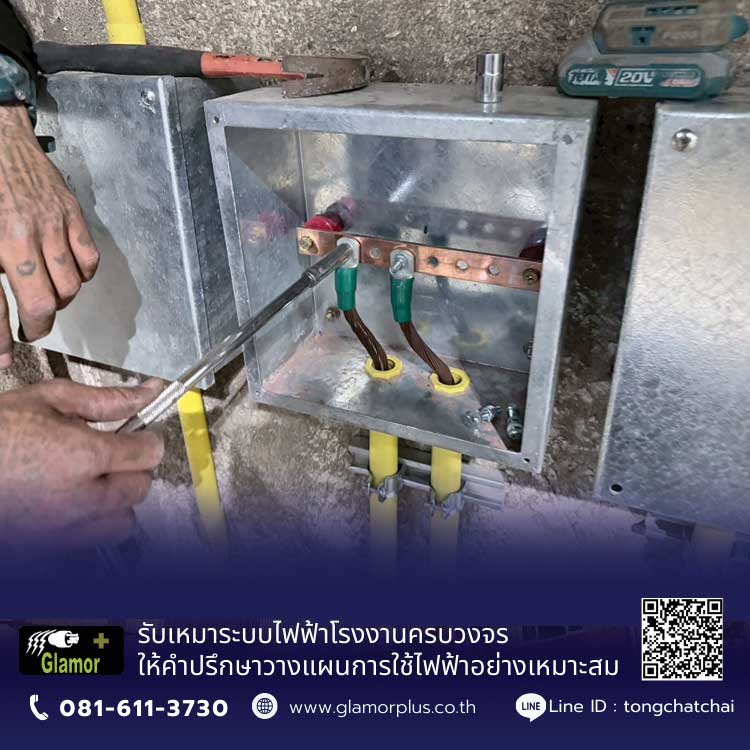
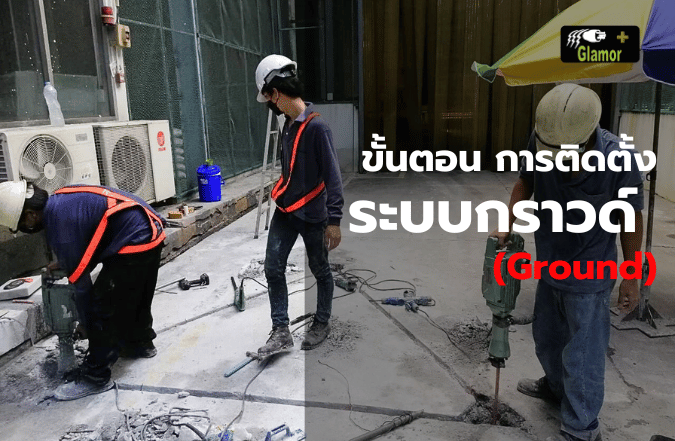
Grounding System Installation for Industrial Plants | Safety Standard & Certified Engineers
What is Grounding (Earthing) System and Why It Matters in Industrial Electrical Engineering
Grounding system installation is a critical process in ensuring electrical safety in industrial plants. A properly designed and installed grounding (earthing) system helps prevent electrical hazards, reduces risks of accidents, and enhances overall system stability. In industrial environments, grounding plays a vital role in protecting personnel, machinery, and electrical infrastructure from leakage current, voltage surges, and electrical faults. Additionally, it ensures stable operation of electrical systems and improves overall energy efficiency.
Key Benefits of Grounding System Installation
Protection Against Electric Shock
An effective grounding system safely directs leakage current into the earth, reducing the risk of electric shock to personnel working near electrical equipment and machinery.
Prevention of Short Circuits & Fire Hazards
Grounding systems help mitigate short circuits, one of the leading causes of industrial fires. Fault current is rapidly discharged into the ground, minimizing overheating and fire risks.
Electrical System Stability
Grounding reduces voltage spikes (transient overvoltage), ensuring stable voltage levels and preventing damage to sensitive electrical equipment.
Equipment & Machinery Protection
By dissipating excess electrical energy, grounding systems protect industrial machinery and electrical components from surge-related damage.
Personnel Safety Enhancement
Proper grounding ensures that leakage currents are immediately discharged, significantly reducing risks for operators and maintenance staff.
Compliance with International Standards
Grounding installation ensures compliance with electrical safety regulations and standards such as IEEE, IEC, and local labor safety laws, reducing legal risks and improving inspection readiness.
Grounding System Installation Standards (Technical Engineering)
Material Selection
- Copper or galvanized steel rods (corrosion-resistant)
- Proper conductor sizing for fault current capacity
- Secure and durable connections (welding or certified clamps)
Ground Resistance Standard
- Ground resistance must be ≤ 5 Ohms (Ω) (IEEE Standard)
- Regular testing is required to ensure system efficiency
Ground Rod Installation
- Minimum length: 2.4 meters
- Installed in moist soil for better conductivity
- Proper depth and secure placement

Grounding System for Large Facilities
- Use Grid / Mesh Grounding System
- Ensure distributed grounding points across the facility
Maintenance Standard
- Annual inspection required
- Replace deteriorated components
- Maintain system integrity
Grounding System Installation Process

1. Site Assessment
Evaluate soil condition, electrical load, and optimal grounding locations to ensure maximum conductivity and accessibility for maintenance.
2. Material Selection
Use high-quality grounding rods and conductors that meet industrial standards and environmental durability requirements.
3. Ground Rod Installation
Install rods deep into the ground (≥ 2.4 meters) to ensure proper contact with conductive soil layers.
4. Ground Conductor Connection
Connect grounding conductors securely using welding or certified clamps to ensure long-term reliability.
5. Testing & Verification
Measure grounding resistance to ensure it is below 5 Ohms, confirming system performance and safety compliance.

Grounding System Maintenance
Annual Inspection
Perform at least once per year to ensure system performance remains within standard limits.
Cleaning
Remove debris and contamination around grounding components to maintain conductivity.
Component Replacement
Replace damaged grounding wires or corroded rods immediately to prevent system failure.
Summary – Industrial Grounding System Installation
A properly installed and maintained grounding system is essential for ensuring maximum safety, operational efficiency, and long-term reliability in industrial electrical systems. Choosing high-quality materials and experienced professional engineers ensures optimal grounding performance and compliance with international safety standards.

Certified Grounding System Installation Company
We are a professional and legally registered company specializing in grounding system installation for industrial plants. With extensive experience and a team of certified electrical engineers, we ensure high-quality, safe, and standard-compliant installations.
Why Choose Us
- Certified and licensed engineers
- Compliance with international standards
- Proven industrial experience
- Reliable and safety-focused service
Contact for Free Consultation
If you are looking for a trusted grounding system installation company, contact us today for a free consultation and quotation.
📍 Service Areas – Grounding System Installation (Thailand Nationwide)
Bangkok & Central Region
Grounding system installation services in: Bangkok, Samut Prakan, Pathum Thani, Nonthaburi, Samut Sakhon, Samut Songkhram, Nakhon Pathom, Saraburi, Nakhon Nayok, Suphan Buri, Ang Thong
Eastern Economic Corridor (EEC)
Chonburi, Rayong, Chachoengsao, Prachinburi, Sa Kaeo, Chanthaburi, Trat
Northern Region
Chiang Mai, Chiang Rai, Nan, Phayao, Mae Hong Son, Phrae, Lampang, Lamphun, Tak, Uttaradit, Phitsanulok, Sukhothai, Phetchabun, Kamphaeng Phet, Phichit, Nakhon Sawan, Uthai Thani
Northeastern (Isan) Region
Nakhon Ratchasima, Khon Kaen, Udon Thani, Nong Khai, Nakhon Phanom, Sakon Nakhon, Nong Bua Lamphu, Loei, Kalasin, Mukdahan, Amnat Charoen, Yasothon, Roi Et, Maha Sarakham, Chaiyaphum, Buriram, Surin, Sisaket, Ubon Ratchathani
Western Region
Phetchaburi
Southern Region
Nakhon Si Thammarat, Surat Thani, Krabi, Chumphon, Trang, Phatthalung, Phuket, Ranong, Phang Nga, Satun, Narathiwat, Pattani, Yala
Need our service?
Our team is ready to consult and provide full services.
Contact Us